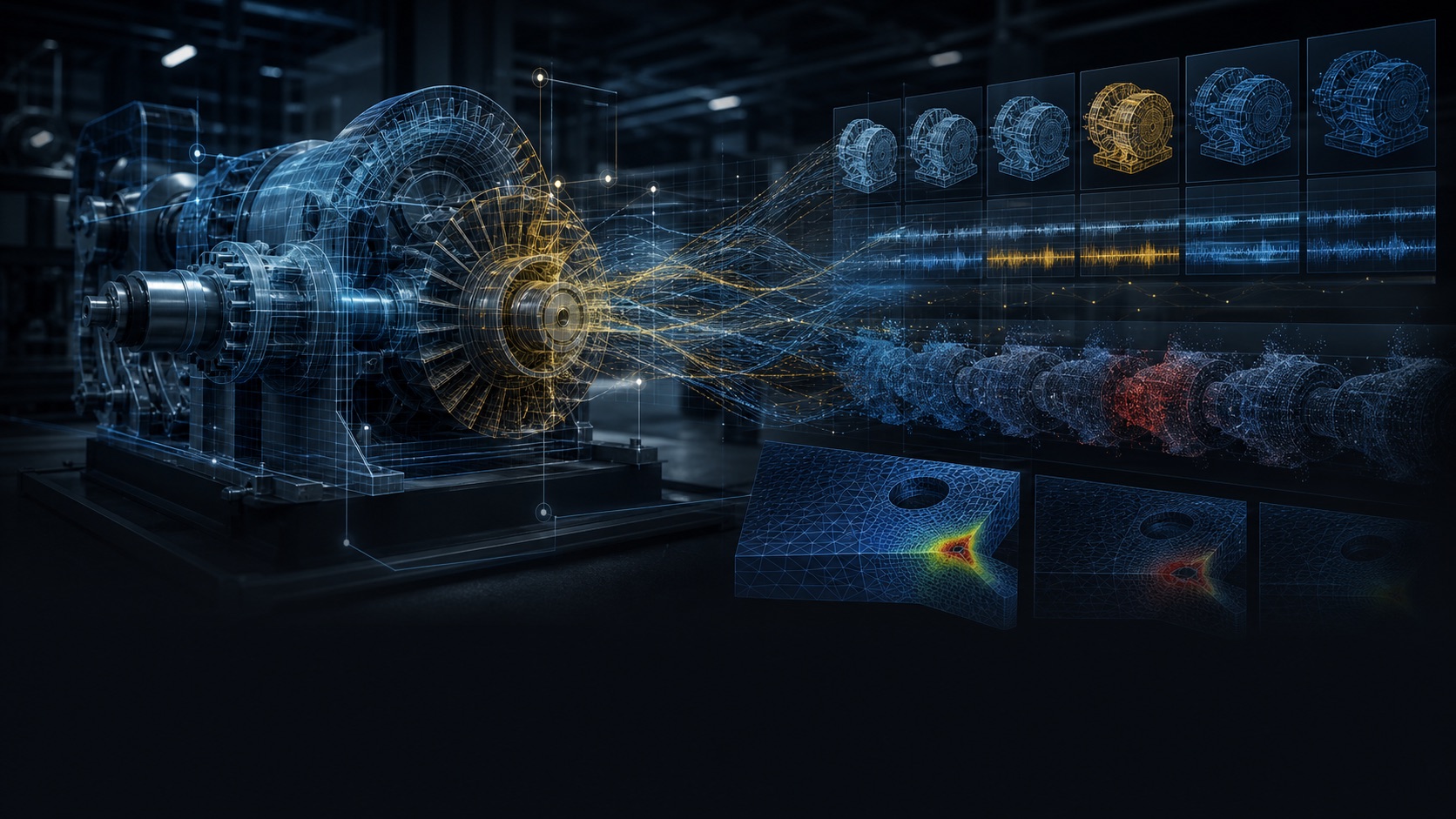
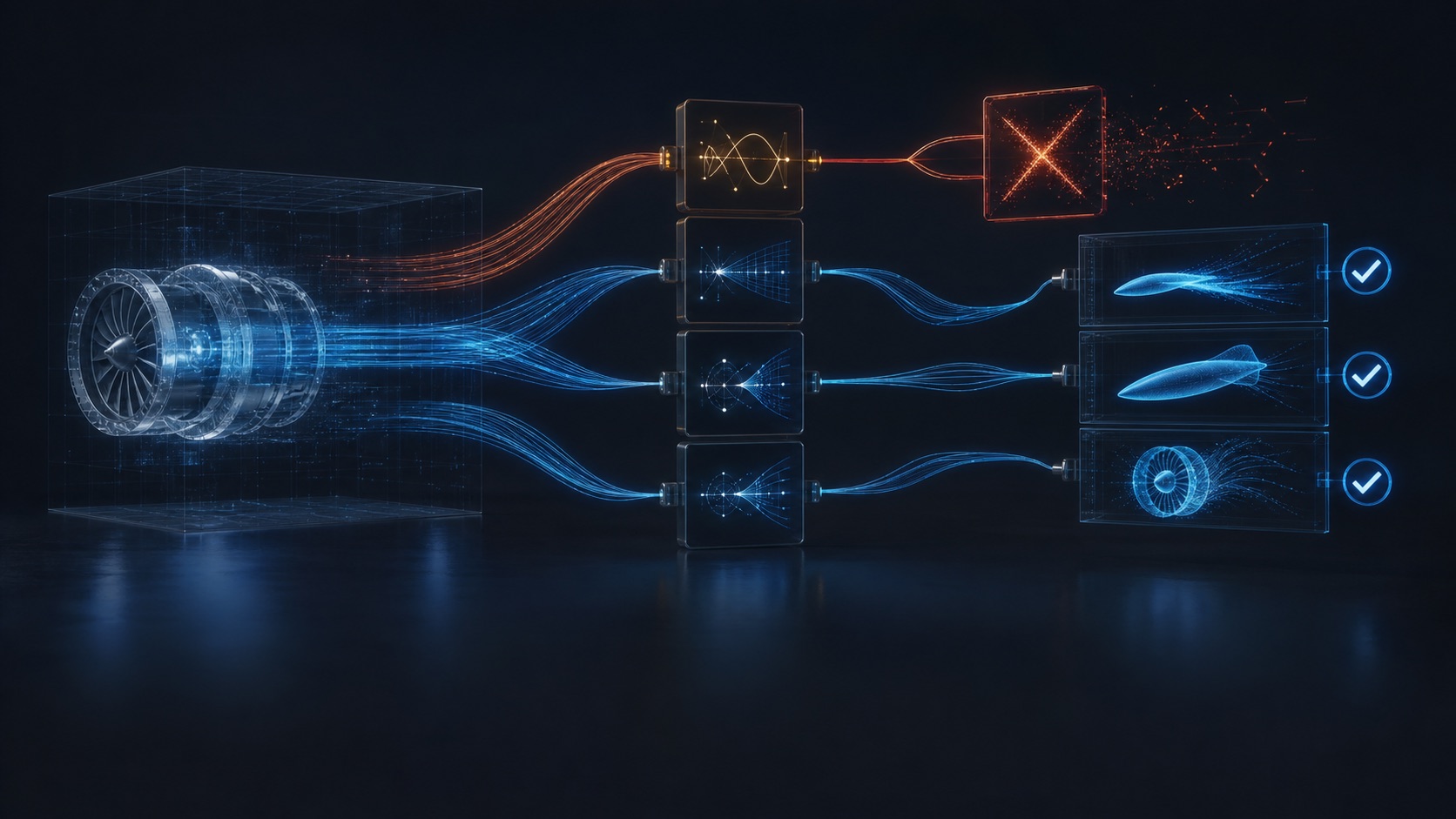
KIPtech combines physical models and AI to deliver solutions that work under data scarcity, frequent false alarms, and conditions that have never appeared in the dataset.
AI does not work because failure data is scarce
We synthesize anomaly and failure data with physical models to address the root cause of data scarcity.
The deployed AI creates too many false alarms
Physics constraints remove outputs that are physically impossible and improve field usability.
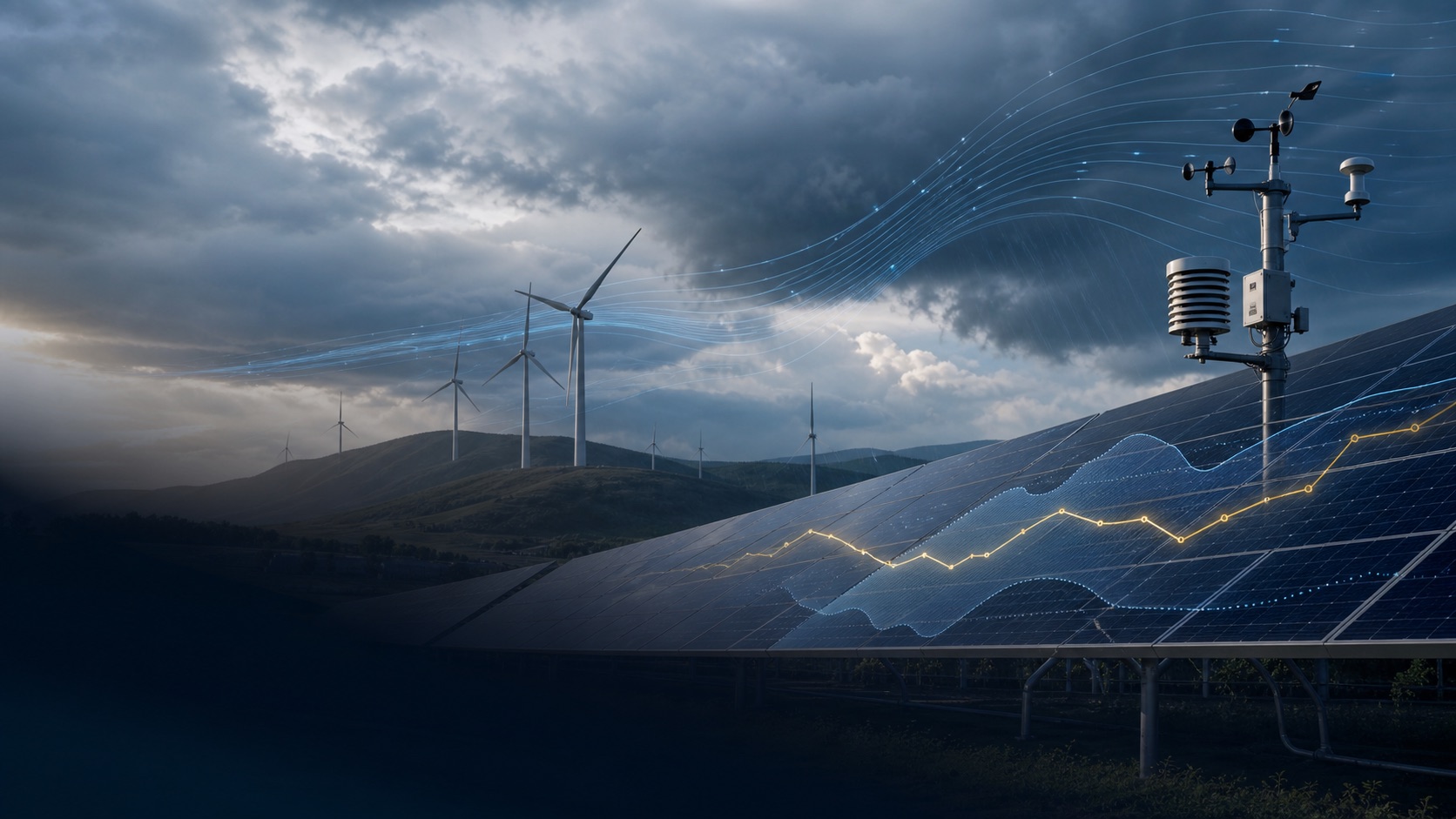
Predictions fail under unseen weather or operating conditions
Physical models complement missing data and stabilize forecasts beyond historical patterns.
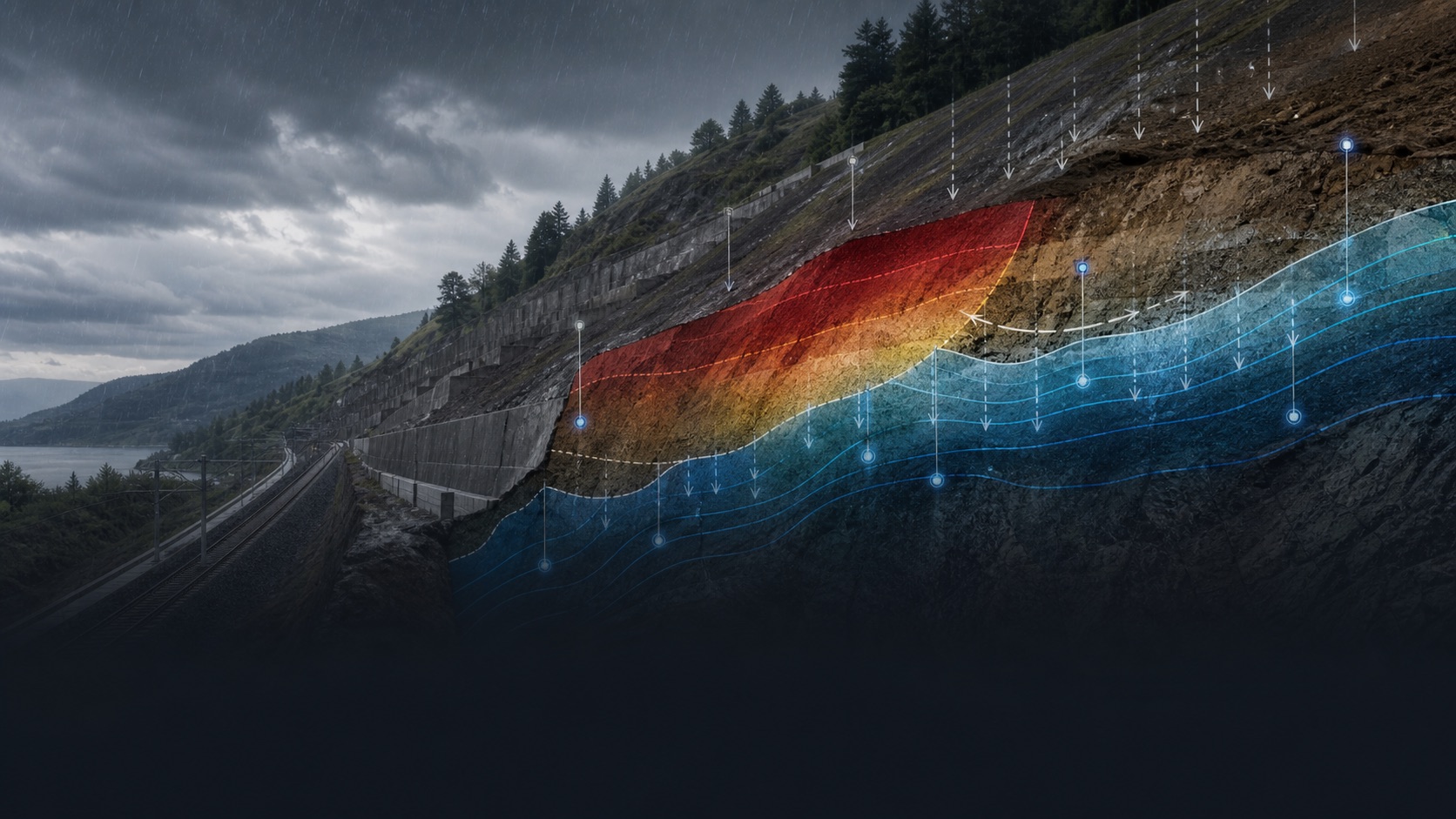
Slope and embankment risk needs to be quantified
We combine pore water pressure, rainfall, and geotechnical models to quantify collapse risk.
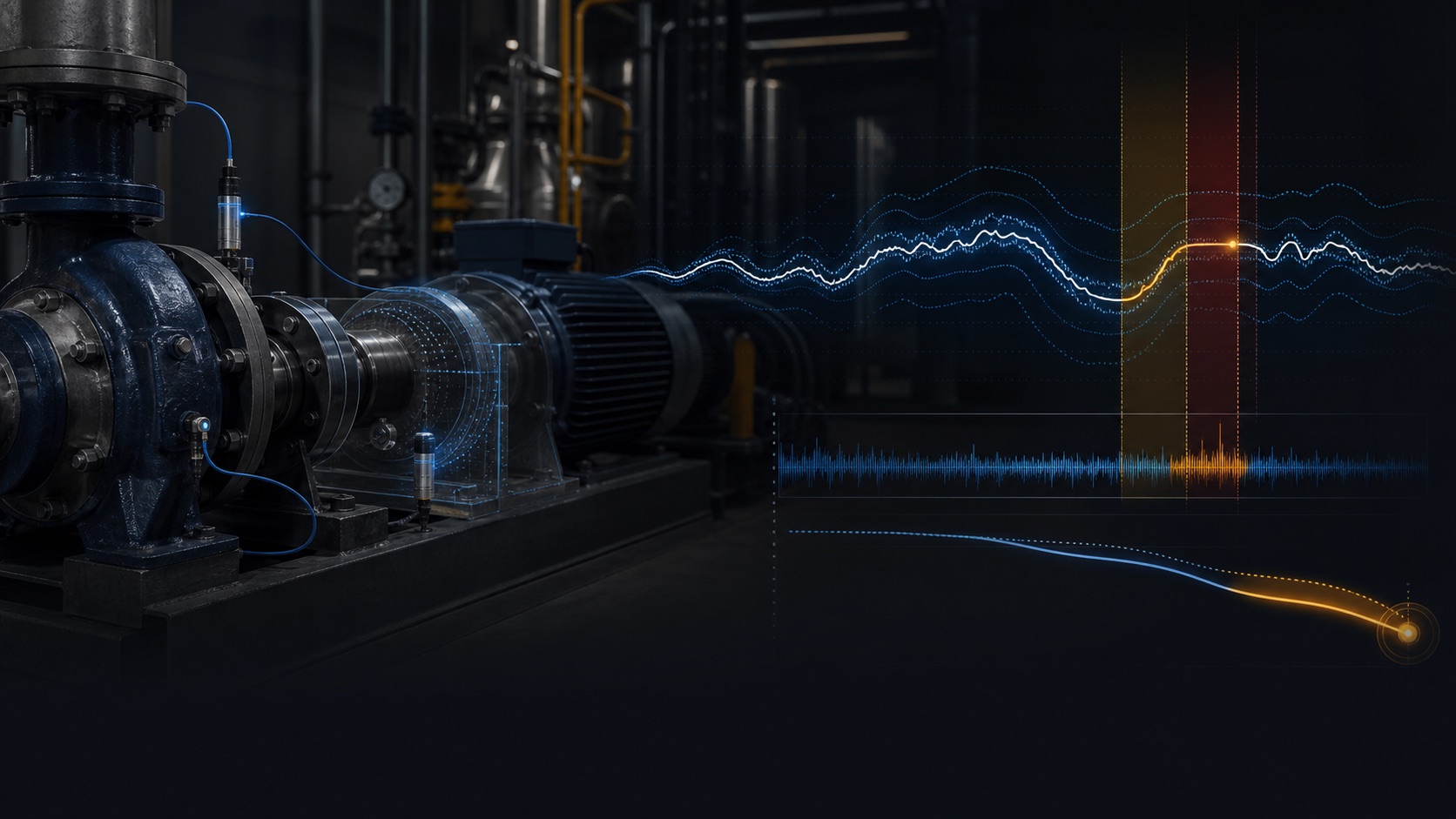
You need early signs before equipment breaks
Physics-constrained time-series prediction detects degradation signs even without abundant failure records.
You do not know where to start
Engineers handle discovery, requirements, implementation, and improvement proposals directly.
What is physics-informed AI?
It integrates physical laws and domain models into AI training, inference, and validation so predictions remain usable in the field.
Can you build predictive maintenance AI with little failure data?
Yes. We synthesize anomaly data with physical models and combine it with physics-constrained time-series prediction.
Can this assess slope and sediment hazard?
Yes. We combine pore water pressure, rainfall data, geotechnical models, and AI to quantify risk.
Will you keep pushing after consultation?
No. Engineers directly review the case and propose only what is necessary.